International Working Animal Day
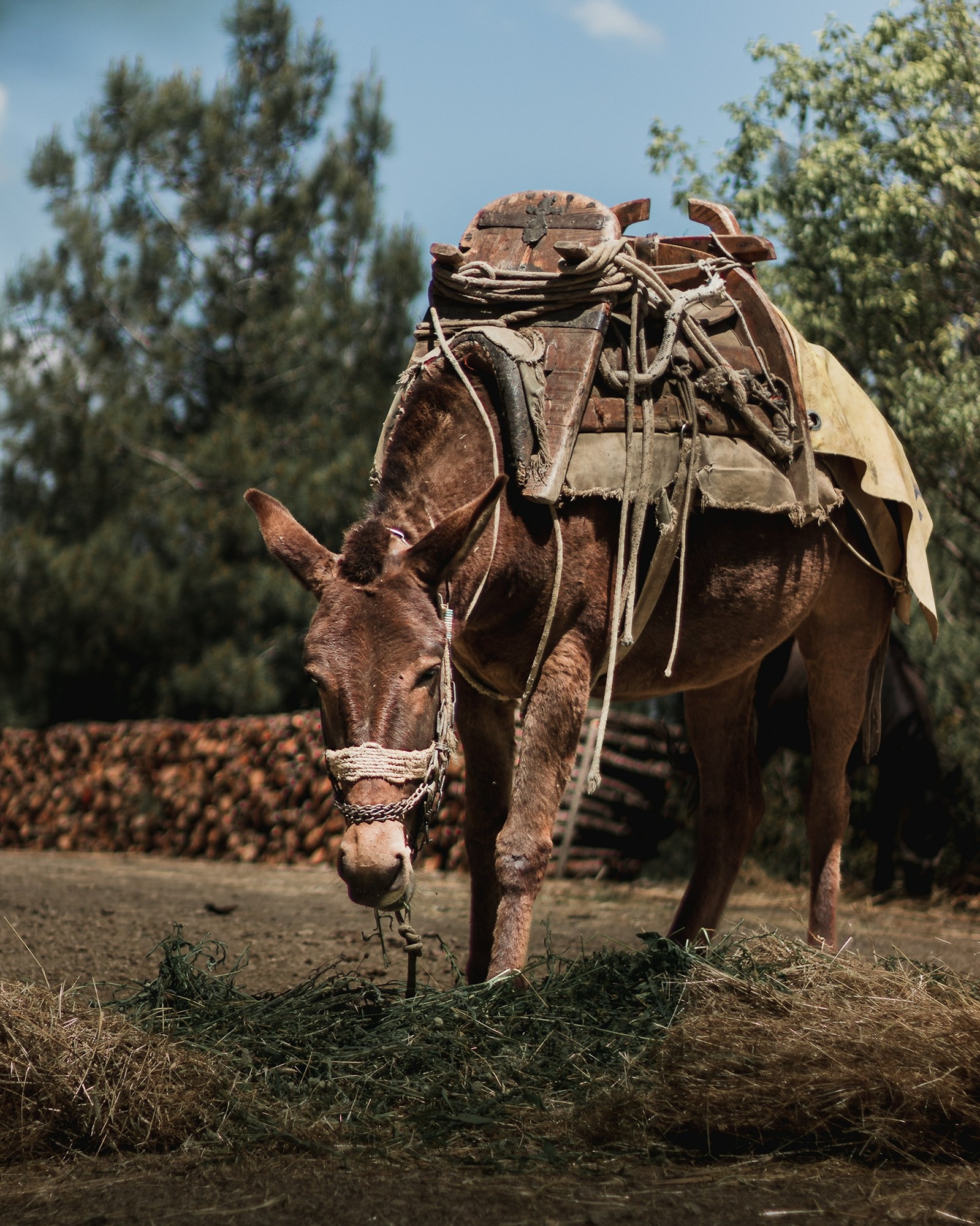
It’s a big day for the working animals of the world on 15th June 2026. It’s International Working Animal Day.
A bit of brief background:
The day was founded by Working Animals International (previously known as SPANA, and I’ll refer to it as WAI for brevity sake here) in 2016
The aim is to highlight the role working donkeys, horses, mules, camels, oxen and other animals worldwide play
It is also to ensure these hardworking animals get the care they need and deserve
Working Animals International have been working to transform the lives of working animals for over 100 years.
Who are working animals and what do they do?
Working animals include horses, donkeys, mules, camels and other animals who help millions of people. There are about 200 million working animals globally.
They help collect water, carrying heavy loads on their backs. Horses may be used for driving and sustaining incomes. They are a vital part in making sure people can have livelihoods, collect water, get to school or hospital. These animals may get children to school or hospital. After a terrible earthquake in Pakistan, the only way for rescuers to reach some of the small villages with vital supplies was with donkeys. The roads were impassable. Without these working animals, many people would not have a livelihood.
Many working animals work in very challenging circumstances, in tremendous heat, often with little or no shade or water, or rest. Many do not have access to veterinary care, and their owners do not know how to care or treat them. They may carry very heavy loads and some work in mines.
Working Animals International and their partners are looking to do a number of things:
Increase access to essential veterinary services
Campaign for better welfare standards
Support owners to make sure they’ve got the knowledge and skills to look after their animals
To inspire school children – who are the next generation of owners – to care for them too.
If you improve the life of a working animal, they will be in a better state of health and wellbeing to help the owners.
More about International Working Animals Day 2026
In 2026, the theme is “Making working animals impossible to overlook”. 2026 is the 10th anniversary of this day, and it’s an important opportunity to highlight the contribution working animals make worldwide.
WAI point out that visibility for working animals matters. They are usually missing from national data, and so they can be left out of decisions affecting both the animals and the communities who depend on them. Include them in things like national census, and governments can recognise their value and consider their needs in policy and planning.
Many working animals work in very remote areas. Livestock censuses often just include animals kept for meat or milk. Information collected can be incomplete, inconsistent and it may vary between countries and areas. So it’s hard for governments to understand how much working animals contribute and what can best be done to meet their needs.
Where working animals are recognised, counted and valued - as they are now in Mauritania - you can improve their welfare. You can’t overlook them.
It is important to include these animals in records, so that the needs they have can be met, such as veterinary services. Once their numbers are known, it is easier to detect threats such as theft for the donkey skin trade. There is a clearer idea of what local needs are.
So WAI is calling on governments to do three things:
Recognise working animals as a distinct category of working livestock – their purpose is then identified
Count working animals every five years - this will help with planning for services and infrastructure and livelihoods of the communities who rely on them
Working animals should be included in wider population and public health surveys so that the animals’ role in helping people to access vital services can be recognised
You can read the report, Count every one, from Working Animals International here.
Ways to help Working Animals International are listed here and they include recycling, donating, playing their weekly lottery, sponsoring a stable and payroll giving. We saw them in Marrakech when we went there for a break, helping with the Caleche horses.
You could also visit the Worldwide Veterinary Service, who provide free expert care to animals in need worldwide. They send vets where they are needed most, training them to increase the global standard of care, and shipping urgent supplies. Visit their website here to find out how they are helping equines in India. They provide treatment, training and education. (You could also see how they, and Mission Rabies India sterilised 750 dogs in Goa in 3 weeks!) Watch the video here
The image at the top is by George Katsikiotis on Unsplash
Comments